A backpack for school is more than just a accessory—it’s a daily companion that carries a student’s learning tools, personal items, and even a piece of their identity. However, choosing the wrong size backpack can turn this essential item into a source of discomfort, posture problems, or even safety risks. Here we break down how to select the ideal backpack size for students of all ages, combining ergonomic principles with practical needs to ensure both comfort and functionality.
Backpack Capacity & Dimension Comparison Chart (5L-50L)
Capacity | Typical External Dimensions (H×W×D) | Main Application Scenarios Key Features |
5L | 25cm × 15cm × 8cm | Toddlers (3-4 years old), mini waist packs Ultra-compact, fits small items like snacks, a tiny water bottle, or a phone; lightweight for easy carrying |
10L | 32cm × 19cm × 11cm | Kindergarteners, elementary Grade 1 Holds 2-3 picture books, stationery, and a 300ml water bottle; often with cute designs and reflective safety strips |
15L | 38cm × 21cm × 12cm | Elementary Grade 2-3, casual daily use Fits textbooks, workbooks, a small lunch box, and a 500ml water bottle; basic compartment design for organization. |
20L | 40cm × 23cm × 13cm | Elementary Grade 4-5, short trips, commutes Spacious enough for thick textbooks, extracurricular books, and a 10-inch tablet; balanced portability and storage . |
25L | 43cm × 24cm × 14cm | Middle school students, daily commutes Accommodates 13-inch laptops, dictionaries, and multiple textbooks; ergonomic shoulder straps reduce back pressure |
30L | 45cm × 25cm × 15cm | High school students, weekend trips Fits 15-inch laptops, travel essentials, and sports gear; multi-compartment design for classified storage |
35L | 48cm × 26cm × 16cm | Full-day hiking, carry-on travel Holds clothes, a water bladder, snacks, and a camera; suitable for all-day outdoor activities |
40L | 50cm × 28cm × 17cm | Overnight camping, short-distance travel Spacious for sleeping bags, change of clothes, and toiletries; often with waist straps for weight distribution. |
45L | 52cm × 29cm × 18cm | 2-3 day trips, technical day hikes Ample capacity for camping gear, food supplies, and a small tent; durable material for outdoor use |
50L | 55cm × 30cm × 19cm | Multi-day travel, high school/college large-capacity needs Fits long-term daily supplies, thick textbooks, and travel luggage; suitable for users over 1.4m tall . |
Note: Dimensions are based on international general standards and mainstream brand data (e.g., Patagonia) . Actual sizes may vary by design (e.g., expandable structures) or material. For student backpacks, refer to health standards to ensure the size matches the user’s height and back area .
Why Does Backpack Sizing Matter?
The impact of an ill-fitting backpack extends far beyond temporary discomfort. For growing children and teenagers, carrying a backpack that is too large or too small can lead to chronic back pain, rounded shoulders, or uneven posture, which may affect spinal development over time. For older students, an improperly sized backpack can strain muscles during long commutes or campus walks, reducing daily productivity. Additionally, a backpack that is too big may cause imbalance, increasing the risk of falls during physical activity, while one that is too small can cram books and electronics, damaging them or making access difficult. In short, the right size is the foundation of a safe and efficient school backpack.
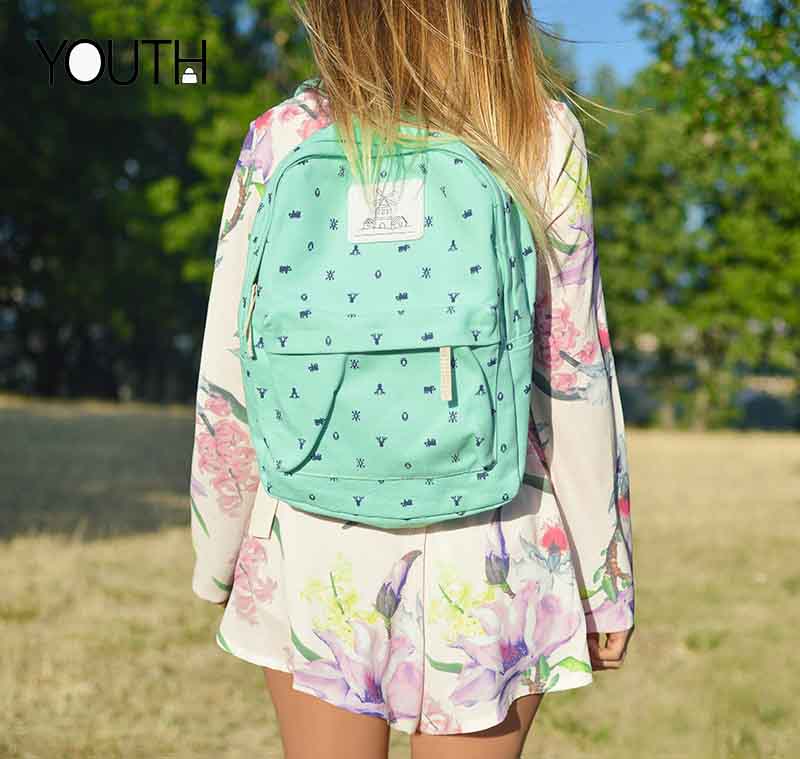
A Guide to Backpack Sizing by Age Group
- Preschool (3–5 Years Old)
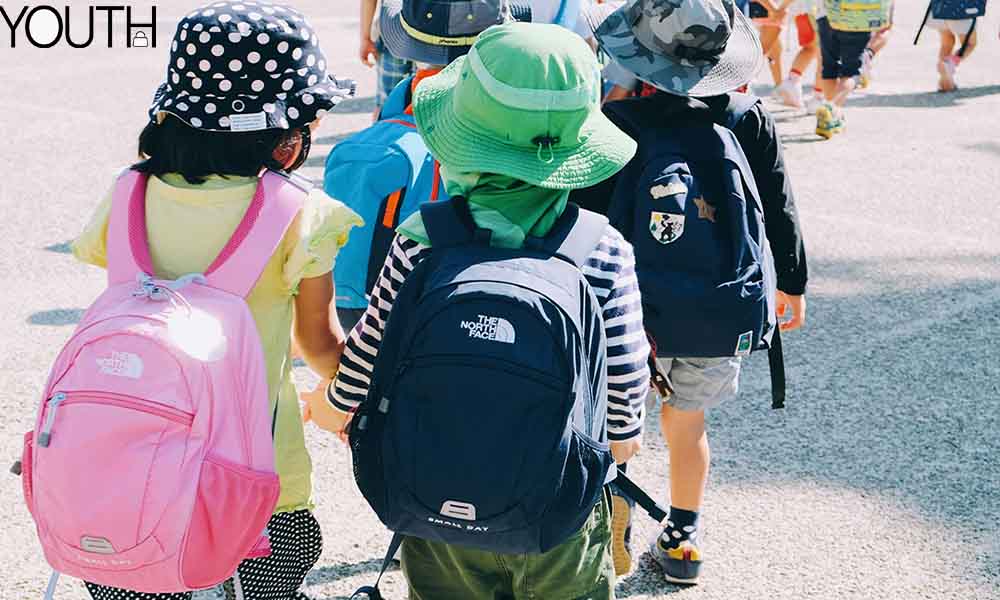
Preschoolers have small frames and minimal school supplies, so their backpacks should prioritize lightness and simplicity..
– Height Range: 100–110 cm
– Ideal Capacity: 10–15 L
– Dimensions: Height 30–35 cm, Width 20–25 cm, Depth 10–15 cm
– Key Features: Lightweight (no more than 300g empty), adjustable padded shoulder straps (width 3–4 cm) to fit small shoulders, and fun, child-friendly designs. Avoid heavy zippers or bulky decorations—focus on ease of use for little hands.
- Elementary School (6–12 Years Old)
As students start carrying textbooks, notebooks, and stationery, backpacks need more storage while still fitting their developing bodies.
– Height Range: 110–140 cm
– Ideal Capacity: 15–25 L
– Dimensions: Height 30–40 cm, Width 25–35 cm, Depth 15–20 cm
– Key Features: Padded back panels for breathability, chest straps (to distribute weight) and waist straps (to reduce shoulder strain), and reflective strips for safety during morning or afternoon commutes. The backpack should not extend below the child’s waist or above their shoulders.
- Middle School (13–15 Years Old)
Middle school brings more subjects, thicker textbooks, and sometimes a laptop, requiring larger capacity without overwhelming the student.
– Height Range: 140–160 cm
– Ideal Capacity: 20–35 L
– Dimensions: Height 40–50 cm, Width 30–40 cm, Depth 18–25 cm
– Key Features: Multiple compartments (to organize books, laptops, and snacks), a dedicated laptop sleeve (13–14 inches), and ergonomic shoulder straps (width 5–6 cm) with extra padding. The total weight of the loaded backpack should not exceed 10% of the student’s body weight.
- High School (16–18 Years Old)
High school students often have longer commutes, more extracurricular items (e.g., sports gear, musical instruments), and larger laptops, demanding durable, spacious backpacks.
– Height Range: 160–180 cm
– Ideal Capacity: 30–45 L
– Dimensions: Height 50–60 cm, Width 35–45 cm, Depth 20–30 cm
– Key Features: Sturdy, water-resistant material (to protect electronics), a 15–17 inch laptop compartment, and reinforced bottom (to support heavy loads). The backpack should fit snugly against the back, with the top edge no higher than the base of the skull.
- University (18+ Years Old)
University students balance academics, social activities, and sometimes travel, so their backpacks need versatility and large capacity.
– Height Range: 170–185+ cm
– Ideal Capacity: 35–60 L
– Dimensions: Height 55–70 cm, Width 40–50 cm, Depth 25–35 cm
– Key Features: Modular compartments (for laptops, tablets, textbooks, and casual items), adjustable back systems (to fit different body types), and lightweight yet durable fabric. Many university students prefer backpacks that can transition from class to weekend trips.
Average Child Back Sizes for Backpacks by Age(in inches)
Age | Height | Width | Backpack Capacity |
4 | 11″ | 6″ | 5-8L |
5 | 12″ | 6-1/2″ | 8-10L |
6 | 12-1/2″ | 7″ | 12-15L |
7 | 13″ | 7″ | 15-18L |
8 | 14″ | 7-1/2″ | 18-20L |
9 | 14-1/2″ | 8″ | 20-22L |
10 | 15″ | 8″ | 22-25L |
11 | 15-1/2″ | 8-1/2″ | 25-28L |
12 | 15-1/2″ | 9″ | 28-30L |
13 | 16-1/2″ | 9″ | 30-32L |
14 | 17″ | 9″ | 32-34L |
15 | 17-1/2″ | 9″ | 34-35L |
16 | 18″ | 9″ | 35-36L |
17 | 19″ | 9-1/2″ | 36-37L |
18 | 19″ | 9-1/2″ | 37-40L |
Note: The above capacities are international general recommendations. Actual selection should consider factors such as the student’s body weight (backpack weight should not exceed 10-15% of body weight), daily carrying items, and school requirements
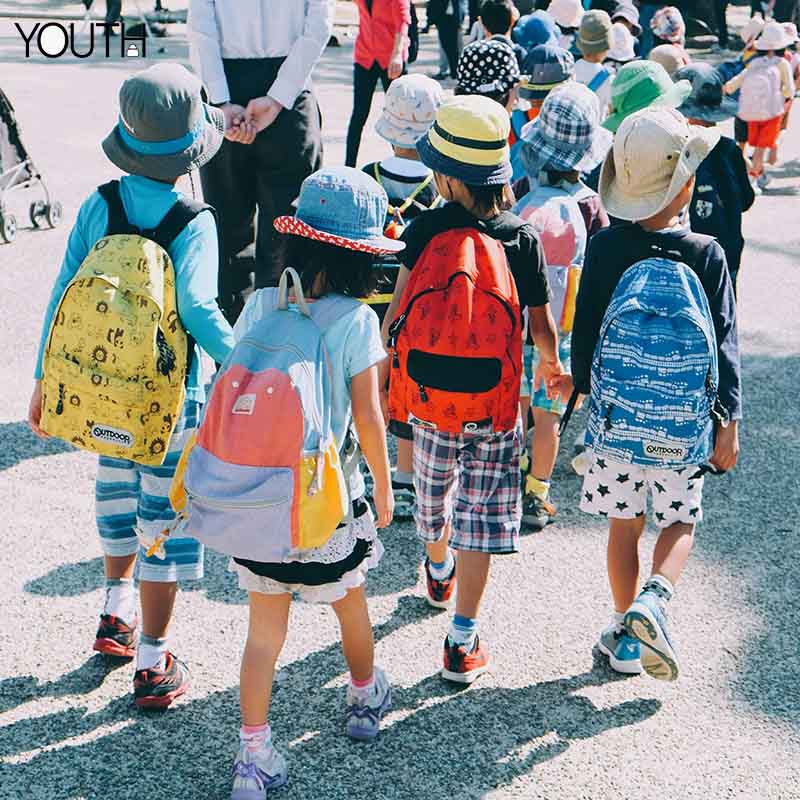
Gender Differences in Backpack Sizing
Backpack sizing should also account for physiological differences between genders, as these affect comfort and fit:
– Shoulder Straps: Female backpacks typically have narrower straps (4–5 cm for teens/adults) and wider spacing between straps, adapting to narrower shoulder widths and wider hip ratios. Male backpacks have wider straps (6–7 cm) and closer spacing, matching broader shoulders.
–
Length: On average, women have shorter torsos (37–49 cm for adults) than men (43–60 cm). Thus, female-specific backpacks have shorter back panels to avoid sagging or rubbing against the lower back.
– Capacity: For the same height, female backpacks are usually 2–5 L smaller than male backpacks, aligning with typical differences in load size and body frame.
– Support Design: Female backpacks often include curved chest straps and narrower waist belts to fit the female body curve, reducing pressure on the chest and hips.
Practical Tips for Choosing the Right Backpack
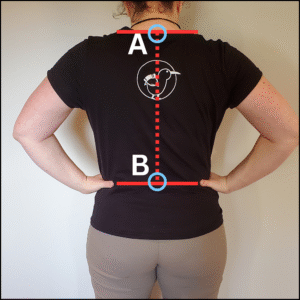
- Measure Torso Length: The most accurate way to find the right size is to measure from the seventh cervical vertebra (the bump at the base of the neck) to the top of the hip bones. Choose a backpack with a back panel length that matches this measurement.
- Test the Fit: Always try on a backpack with a sample load (e.g., a few books) to check if the shoulder straps fit snugly without digging into the skin, and if the waist belt can be fastened comfortably around the hips.
- Prioritize Weight: An empty backpack should be as light as possible—avoid heavy materials like thick leather, especially for younger students.
- Check Safety Features: Reflective elements are essential for students who walk or bike to school. For older students, water resistance protects valuable electronics from the elements.
Conclusion
Choosing the right backpack size is a critical decision that impacts a student’s health, comfort, and daily learning experience. By aligning the backpack’s capacity and dimensions with the student’s age, height, and gender-specific needs, parents and students can ensure that this daily companion supports, rather than hinders, academic success. Remember: a well-fitted backpack is not just a practical choice—it’s an investment in long-term spinal health and overall well-being.