Genuine Leather: The "Premium Representative" with Natural Feel
In fields like leather handbags for women, and footwear, genuine leather, microfiber leather, and PU leather are the most common materials. They differ significantly in terms of material source, performance characteristics, and price, which directly impact user experience and cost-effectiveness. Understanding the core differences between these materials can help us make a precise purchase based on our needs.
Genuine leather comes from animal hides (such as cowhide, sheepskin, or pigskin) that are processed through tanning and other methods. It is made from natural protein fibers. The key advantages of genuine leather are its excellent breathability, soft and delicate touch, and the development of a unique “patina” over time. With increasing use, its texture becomes more refined. It also has good abrasion resistance and toughness, with a typical lifespan of 5-10 years or even longer.
However, genuine leather also has obvious drawbacks: it is expensive, sensitive to environmental factors (e.g., water and direct sunlight), and may crack or deform under prolonged exposure to moisture or dryness. Additionally, the texture and thickness of natural leather can vary, making it difficult to achieve uniformity, and the maintenance costs are higher, as it requires regular use of specialized care products.
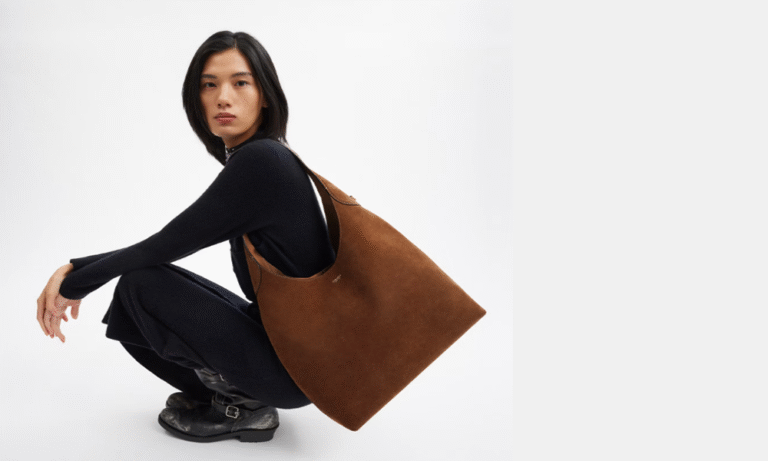
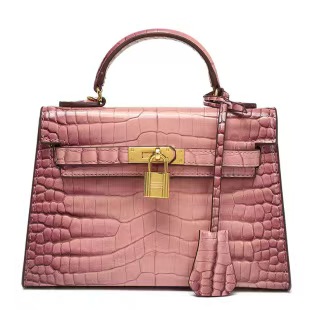
Genuine leather is more suitable for high-end products where quality and user experience are a priority, and the owner is willing to invest in maintenance. Typical applications include luxury bags, genuine leather sofas, and business shoes.
Genuine leather is typically divided into four layers, as follows:
- Full Grain Leather (Head Layer)
Location: The outermost layer of the animal hide.
Characteristics: Retains the leather’s natural texture and pores, making it the highest quality, most durable, and most desirable. Over time, it develops a unique “patina” with use.
Uses: High-end leather goods, leather shoes, bags, and leather furniture.
- Top Grain Leather (Second Layer)
Location: The second layer of the animal hide, just below the outer layer.
Characteristics: Has been processed with surface treatments like sanding or coating to remove some natural texture, making it smoother and more uniform. It’s less durable than full grain leather but still strong and visually appealing.
Uses: Mid-to-high-end leather goods, office furniture, sofas, etc.
- Vegetable Tanned Leather
Location: Typically refers to the middle part of the leather, processed using vegetable tannins.
Characteristics: Retains the natural characteristics of the hide, with higher environmental friendliness due to the natural tanning process. It tends to feel stiffer at first but becomes more supple and develops a unique color and patina over time.
Uses: Commonly used for crafts, outdoor gear, and high-end leather goods.
- Split Leather (Third Layer)
Location: The remaining portion of the hide after the top layers have been removed, typically from the middle or near the flesh side of the skin.
Characteristics: Typically rougher in texture, and often treated through processes like embossing or coating to make it resemble full grain leather or to create a synthetic-like texture.
Uses: Economical leather goods, footwear, bags, etc.
Each layer of leather impacts the product’s quality, appearance, and price. Understanding these layers helps you make better purchasing decisions based on your needs.

Microfiber Leather: The "High-Quality Alternative" with Performance Close to Genuine Leather
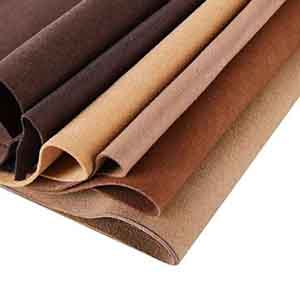
Microfiber leather, also known as “microfiber enhanced leather,” is a high-end category of synthetic leather. It is made from ultra-fine fiber non-woven fabric as the base, with a high-performance polyurethane coating. By mimicking the structure of genuine leather, it achieves performance that can even surpass some genuine leathers. Its core advantages include excellent abrasion resistance, tear resistance, and shape retention, along with good breathability and flexibility. It also offers a soft, skin-friendly touch and features an even surface texture with a wide range of color choices. Maintenance is simple, requiring only regular wiping.
Compared to genuine leather, microfiber leather is more stable, water-resistant, and resistant to direct sunlight. Its lifespan is typically 3-8 years, and its price is only 1/3 to 1/2 of mid-to-high-end genuine leather, offering excellent cost performance. However, it lacks the natural feel and “aging” characteristics of genuine leather. Over time, its touch may change less, and lower-quality microfiber leathers may have slightly poorer breathability than genuine leather.
Microfiber leather is suitable for a wide range of applications, particularly in high-frequency use scenarios requiring durability, such as car seats, sports shoes, mid-to-high-end leather goods, and office furniture. It is the preferred choice for those seeking a balance between cost-effectiveness and quality.
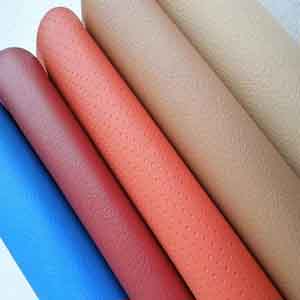
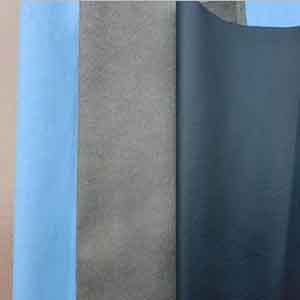
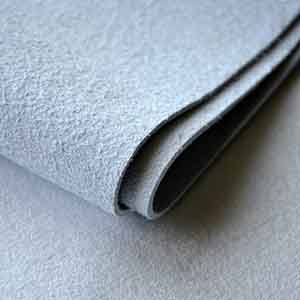
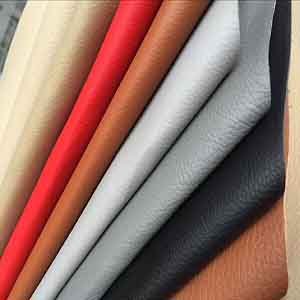
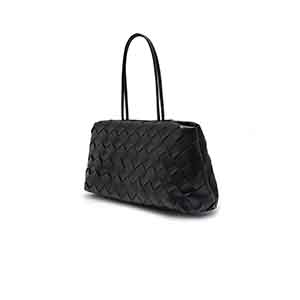
Vegan Leather: The "Budget-Friendly Option" Focused on Cost-Effectiveness
Vegan leather, also known as “plant-based/synthetic leather”. Its core feature is that it does not use any animal-derived materials (such as cowhide, sheepskin, pigskin, etc.), complying with the concepts of veganism and animal protection.
It mainly consists of two types of materials:
– Synthetic materials: The most common one is PU leather (polyurethane leather) mentioned earlier, which also includes PVC leather (polyvinyl chloride leather). It has high cost performance and wide applications.
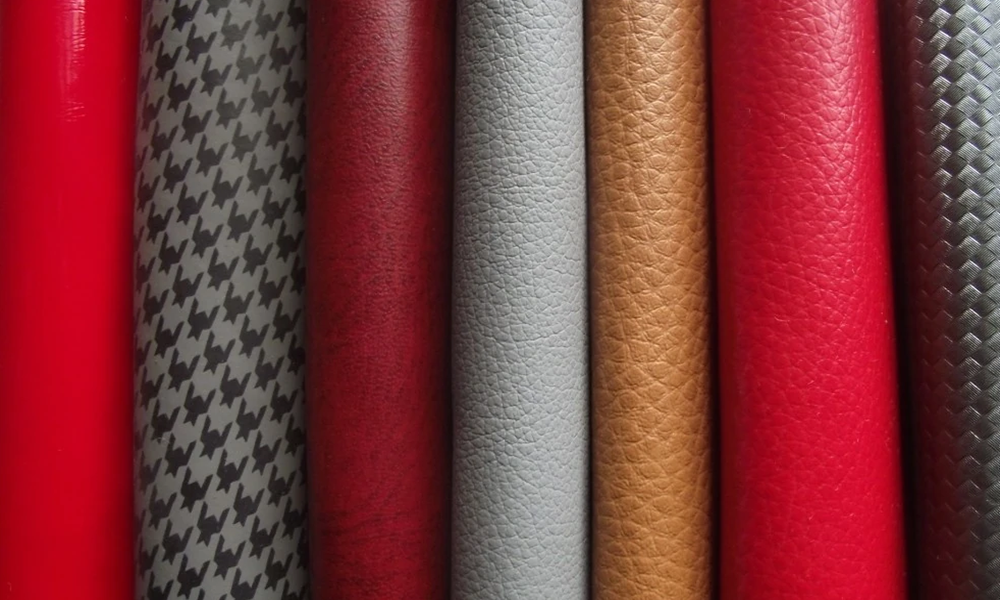
PU leather, or polyurethane leather, is a type of synthetic leather made by coating non-woven or knitted fabric with polyurethane resin. It is considered an entry-level synthetic leather. Its key advantages are its low cost, diverse styles, short production cycles, and the ability to mimic the texture of genuine leather, wood grain, and other patterns. It also offers vibrant colors, lightweight properties, good waterproof performance, and easy daily cleaning.
However, PU leather has significant drawbacks: it has poor breathability, which can lead to discomfort when in prolonged contact with skin; it is less durable and tends to crack, peel, or harden within 1-3 years of use; and it can emit an odor in high-temperature environments, making its stability inferior.
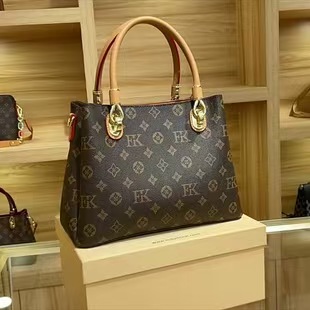
PU leather is more suitable for budget-conscious purchases, temporary use, or trendy styles where long-term durability is not a priority. It offers excellent cost performance and is ideal for low-cost bags, temporary furniture, and fashionable footwear.
– Natural plant-based materials: Made from plant raw materials such as pineapple leaf fibers, mushroom mycelium, bamboo, and corn. It is more environmentally friendly but usually more expensive.
Vegan Leather and PU Leather are two types of synthetic leathers, and they differ in terms of definition, materials, and production methods.
1. Definition and Scope
- Vegan Leather is a broader concept that refers to leather made without the use of any animal-derived components or animal testing during the manufacturing process. It includes not only PU leather but also various other materials (such as plant fibers, recycled materials, etc.) used to create leather alternatives.
- PU Leather is a common type of vegan leather, specifically referring to synthetic leather made from polyurethane (PU) as the base material. It belongs to the category of synthetic leather and is typically produced from petroleum-based raw materials.
2. Materials and Environmental Impact
- Vegan Leather has a diverse range of material sources. It can be made from petroleum-based synthetic materials like PU and PVC, or more eco-friendly plant-based materials (such as pineapple leaves, cactus, apple waste, etc.). Therefore, not all vegan leathers are environmentally friendly; only those made from newer plant-based or recyclable materials tend to have better eco-friendliness.
- PU Leather is typically made from petroleum-derived raw materials. The production process is relatively clean (with lower toxicity than PVC), but it still relies on non-renewable resources, so its environmental impact is limited. However, some new types of PU leather are now being made with plant-based materials to improve sustainability.
3. Characteristics and Uses
- Vegan Leather characteristics vary depending on the material. Petroleum-based types (like PU) offer a texture close to genuine leather and are durable, but may not be as environmentally friendly; plant-based ones are more eco-friendly but tend to be more expensive and produced in smaller quantities.
- PU Leather is widely used in fashion, bags, and other products due to its low cost, ease of processing, and durability. It is one of the most common types of vegan leather on the market.
In summary, PU Leather is a subclass of Vegan Leather, and the scope of Vegan Leather is broader, encompassing a wider variety of material options. If you are concerned about environmental impact, it is recommended to prioritize Vegan Leather products made from plant-based or recyclable materials.
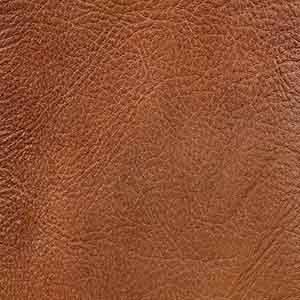
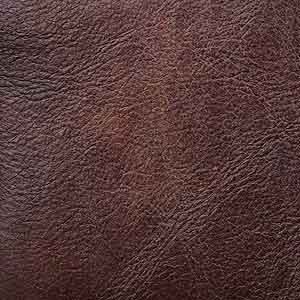
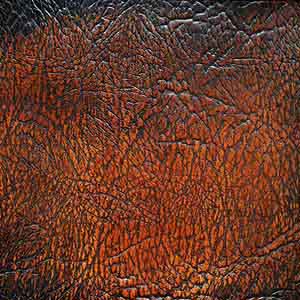
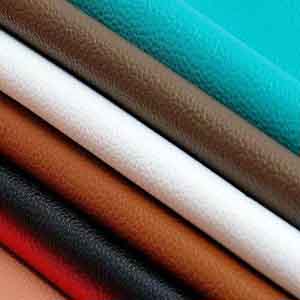
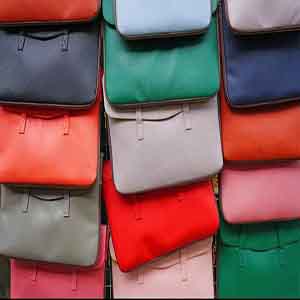
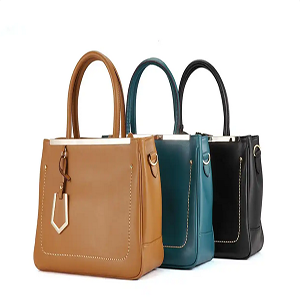
Core Differences Between the Three Materials and Buying Suggestions
- Summary of Core Differences:
- Material Source: Genuine Leather (natural animal hides), Microfiber Leather (ultra-fine fibers + polyurethane), PU Leather (non-woven or knitted fabric + polyurethane).
- Core Performance: Genuine Leather (good breathability, superior texture, maintenance-intensive aging); Microfiber Leather (strong abrasion resistance, stability, high cost-effectiveness); PU Leather (low cost, good waterproofing, poor breathability, prone to aging).
- Lifespan: Genuine Leather (5-10+ years) > Microfiber Leather (3-8 years) > PU Leather (1-3 years).
- Price Range: Genuine Leather (high) > Microfiber Leather (medium) > PU Leather (low).
- Buying Suggestions:
- If you prioritize natural texture, long-term use, and premium experience, and have the budget to maintain it, genuine leather is the best option.
- If you want to balance durability, cost-effectiveness, and quality, for high-frequency use with minimal maintenance, microfiber leather is the ideal choice.
- If your budget is limited, you only need temporary use or are seeking trendy styles, and long-term durability is not a major concern, PU leather is the best pick.
In conclusion, none of these materials is inherently “better” than the others; it all depends on the specific application. By considering your needs, use cases, and budget, you can choose the leather material that best suits your situation.