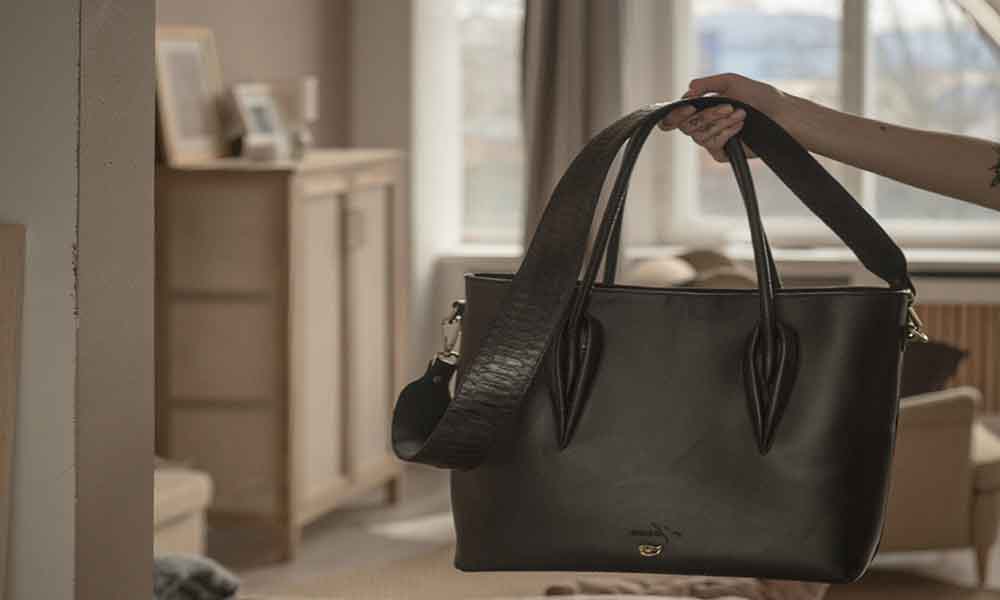
“Real leather is like skin, it needs regular maintenance.”
Prevention is better than cure. Instead of repairing damage after it occurs, it’s better to develop the habit of protecting, maintaining, and cleaning your bag from the start.
Learn these practical maintenance tips, and your genuine leather tote bags will last for a long time!
Know Your Leather Type
First things you need to know is your leather handbag made of what kind of leather: cowhide, sheepskin, or crocodile leather? Different leathers react differently to water, heat, and chemicals, so tailor your care routine accordingly.

Not do for your leather bags:
1.Avoid direct sunlight and hot, humid environments.
Do not expose the bag to direct sunlight or leave it in hot, humid, or poorly ventilated places for extended periods, such as inside a motorcycle car. Improper storage can easily cause the edge paint to melt and the leather to fade.
2. Do not use alcohol/soap to clean your leather bags.
To remove dirt from leather surfaces, do not use alcohol or soap to disinfect or clean leather goods. Alcohol and other organic solvents contain chemicals that can easily damage the leather’s structure, leading to whitening, color fading, and other damage. If the bag gets dirty while you are outdoor and don’t have a soft white cloth to wipe it immediately, you can firstly use a damp tissue to wipe minor areas to ensure the bag doesn’t discolor or deteriorate. Then, gently wipe the dirty areas. Again, before using a damp tissue, please make sure it doesn’t contain alcohol to avoid damaging the leather.
3. Avoid contact with hand cream or sunscreen.
If you have just applied hand cream or sunscreen to your hands, you should temporarily avoid touching the bag handles and metal surfaces. Sweat or oil from your hands may accumulate in the corners of the leather, causing stains and corrosion of the metal, leading to oxidation, rust, and blackening.
4. Remove mold and dirt immediately and do not leave it.
If you find mold on your leather, wipe the surface mold with a white cloth dampened with a small amount of warm water immediately before it becomes severe,. Then, use a hairdryer on a low setting to dry the surface. Let it air dry in a well-ventilated area. After that, apply leather conditioner to the surface with a soft white cloth to prevent mold from growing back. If the mold is still severe, it is recommended to have it cleaned by a professional leather cleaner. (The above also applies to general non-oily stains.)
5. Avoid wearing dark color clothes when using light-colored bags.
Dark-colored clothing or clothing with poor colorfastness (such as jeans) may cause light-colored bags to absorb color after rubbing, which cannot be removed. If you are unfortunately stained, you can use a soft white cloth dampened with leather-specific cleaning oil to wipe it clean. If the stain cannot be removed, it is recommended to seek professional leather cleaning services.
6.Avoid squeezing when store your bags.
If you are not using the bag regularly, it is recommended to stuff it with uninked white newspaper after cleaning and maintaining. This will prevent the bag from deforming and absorb moisture from the air to prevent it from getting damp and moldy. Finally, put it in a dust bag and store it in a cabinet.
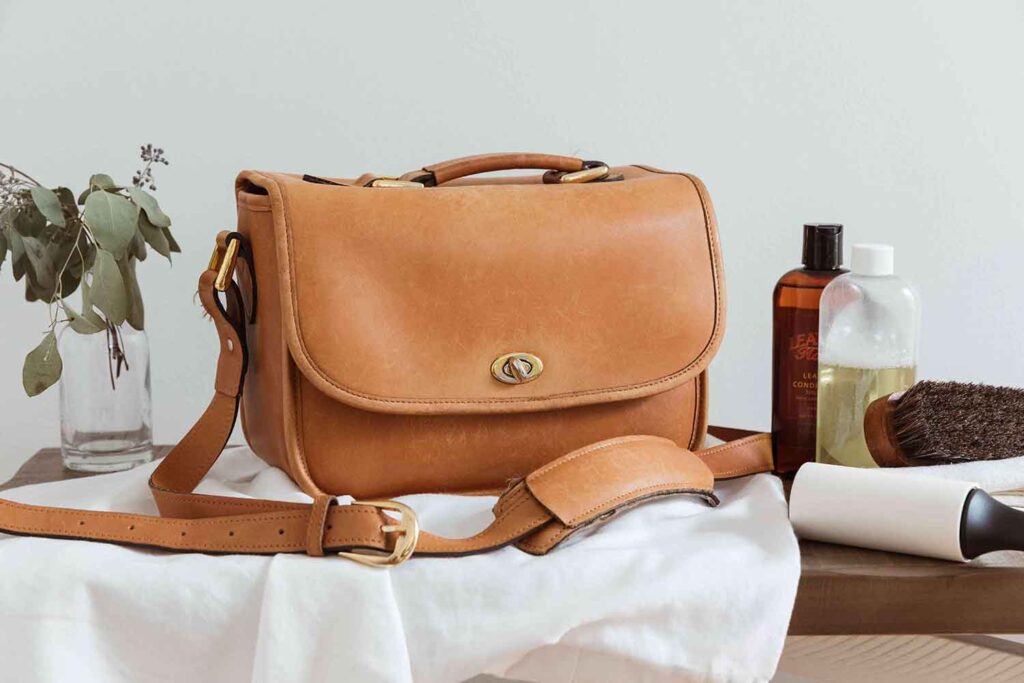
How should you deal with oily stains?
Synthetic leather or coated leather: Usually, the surface of the leather has a protective layer, so oil and water will not penetrate into the leather. If you encounter oily dirt, wipe it dry with a white cloth as soon as possible.
Genuine leather: Quickly and gently wipe away the grease with a highly absorbent, lint-free microfiber cloth. The faster and the more grease absorbed, the better. Then, immediately sprinkle talcum powder onto the greasy leather surface, ensuring the powder completely covers the greasy stain. Keep it for 1-2 days; the stain should then be removed. If the grease isn’t absorbed immediately, it will be very difficult to clean the stained area later, and applying talcum powder will be ineffective.
Additionally, it’s crucial to note that regardless of the type of leather, never scrub oily stains. This will damage the leather’s fine texture and make the stains
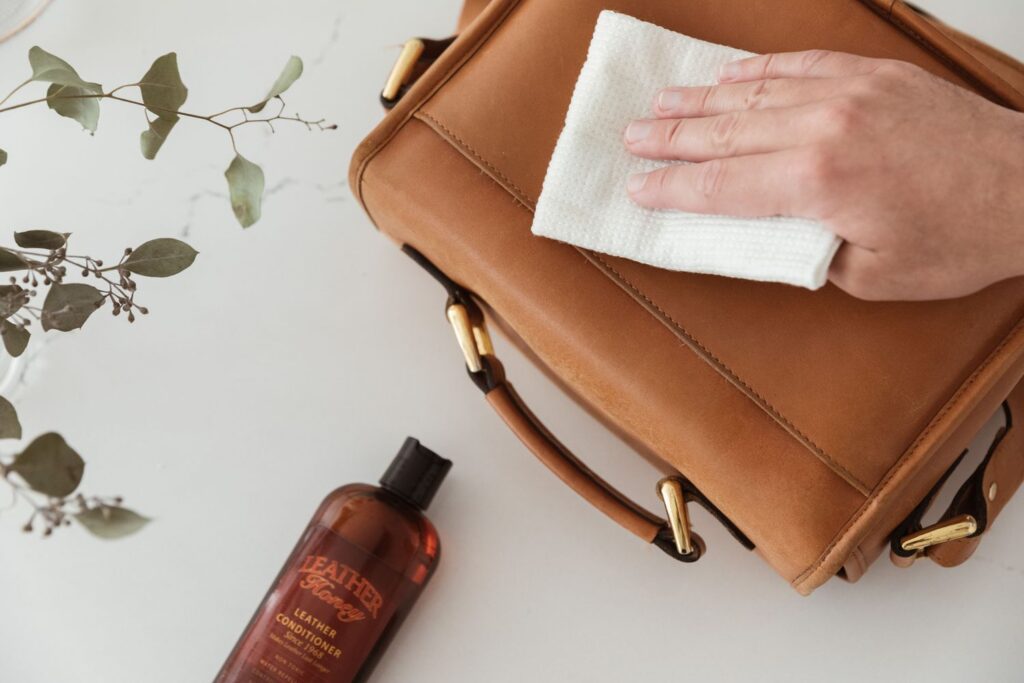
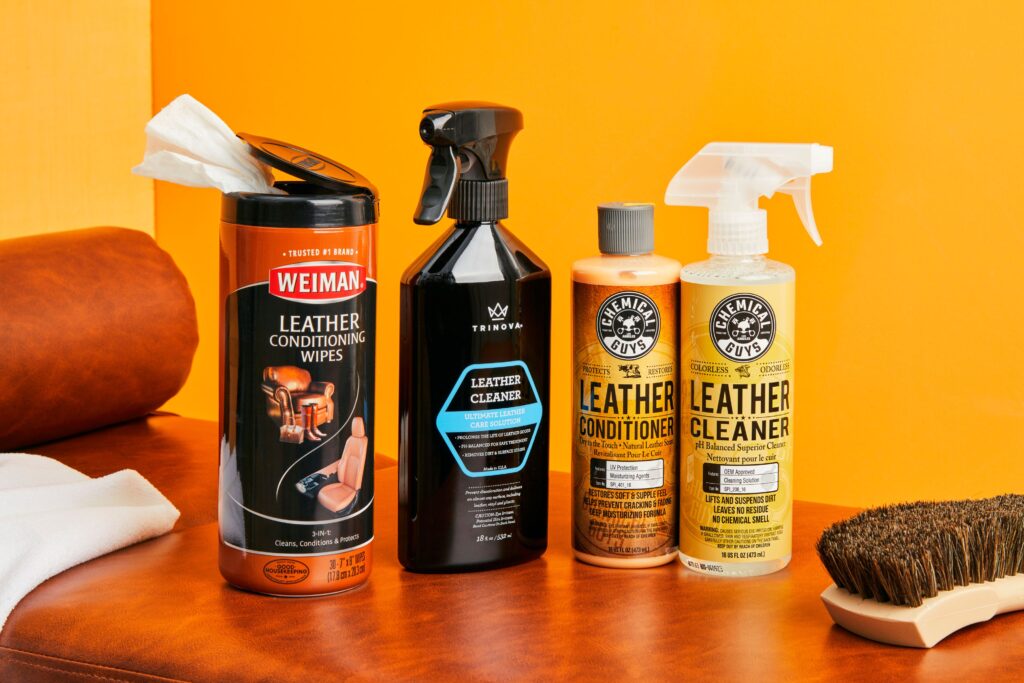
Introduction about the leather conditioner
Types of Leather Conditioners
- Cream-Based Conditioners
- Best for: Dry, aged, or scratched leather.
- How they work: Penetrate deep to restore flexibility and hide minor imperfections.
- Example: Lexol Leather Conditioner (a cult-favorite for its non-greasy finish!).
- Oil-Based Conditioners
- Best for: Thick, rugged leathers (like veg-tanned or work boots).
- How they work: Provide intense hydration but may darken lighter leathers—test first!
- Example: Neatsfoot oil (a classic for restoring stiffness).
- Wax-Based Conditioners
- Best for: Leather that needs waterproofing (e.g., jackets, bags used outdoors).
- How they work: Create a protective barrier against moisture and stains.
- Example: Otter Wax Leather Salve (great for adding a subtle sheen!).
How to Apply Leather Conditioner
- Clean First: Wipe your bag with a damp cloth to remove dust and grime. Let it dry completely.
- Test Spot: Apply a small amount on a hidden area (like the bottom or inside flap) to check for color changes.
- Apply Sparingly: Use a soft cloth or sponge to rub the conditioner in circular motions. Less is more!
- Let It Absorb: Wait 15-30 minutes (or overnight for dry leather) before buffing with a clean cloth.
Pro Tips
- Frequency: Condition every 6-12 months for regular-use bags, or every 3-6 months for dry climates/sun exposure.
- Avoid Overdoing It: Too much conditioner can clog leather pores, leading to a sticky residue.
- Match the Leather Type:
- Aniline/unfinished leather: Use a gentle, pH-balanced conditioner (like Apple Garde).
- Patent leather: Skip conditioner—wipe with a damp cloth instead.
- Suede/Nubuck: Never use regular conditioner! Use a suede-specific spray instead.